Rubber Products Revolutionizing the Vacuum Systems in Paper Manufacturing
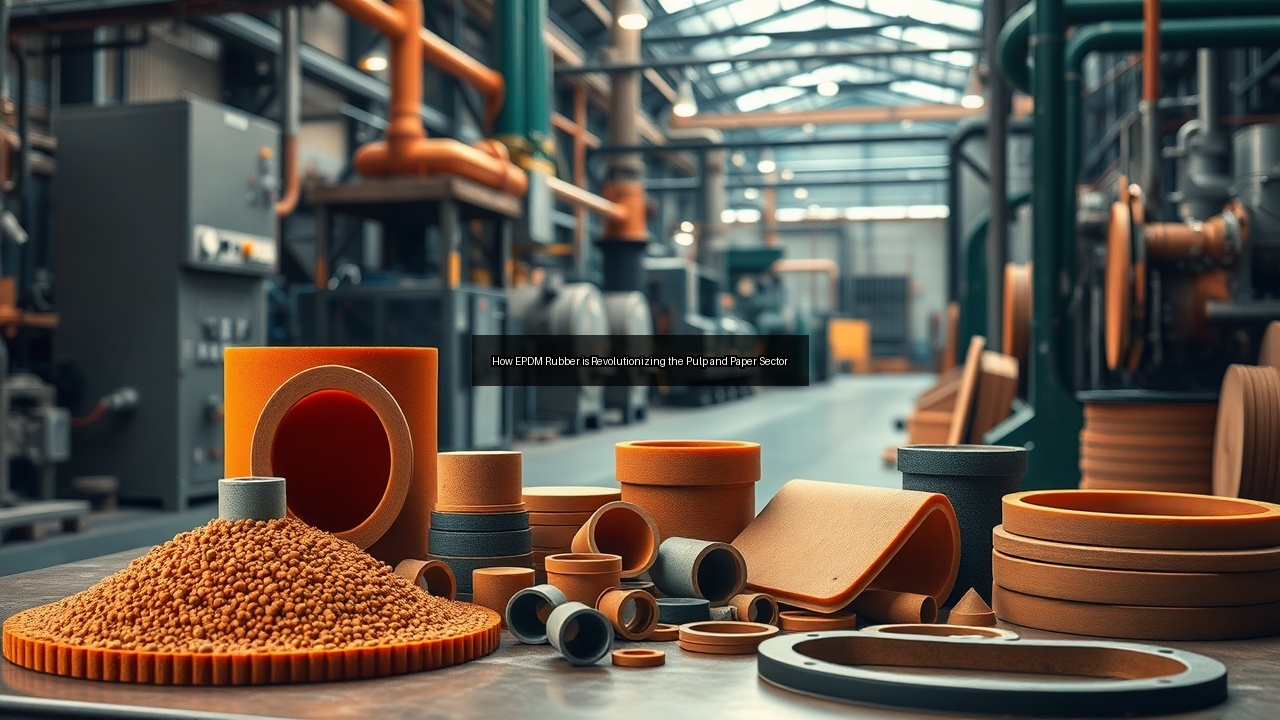
The Essential Role of Rubber Products in Vacuum Systems
Understanding Vacuum Systems in Paper Manufacturing
Vacuum systems form the backbone of paper manufacturing by removing water from pulp slurries at high speeds. These systems rely on consistent negative pressure across forming tables, press sections, and dryer felts. Rubber products for the pulp & paper industry seal critical interfaces where air leaks would drop efficiency and raise energy costs. Manufacturers install custom rubber components to maintain stable vacuum levels while the paper web travels through successive stages. Without durable seals, pumps work harder and production slows. Pulp and paper industry rubber products must withstand constant moisture, temperature swings, and mechanical stress from rotating rolls. Companies that source high-quality rubber parts report fewer unplanned stops and steadier output. The integration of rubber products for paper industry applications directly supports faster machine speeds and higher tonnage per day.
Key Functions of Rubber Components in Vacuum Systems
Rubber components perform three primary jobs inside vacuum systems. They create airtight barriers between stationary and moving parts, absorb vibration that would otherwise crack housings, and resist chemical attack from process additives. Stoppers block unused ports while gaskets compress between flanges to hold vacuum integrity. Natural rubber offers excellent flexibility for low-pressure zones, whereas EPDM handles higher temperatures and aggressive chemicals. When operators install the correct rubber product, vacuum pumps maintain setpoints with less horsepower. This efficiency gain translates into lower electricity bills and reduced carbon output per ton of paper. Regular inspection of gaskets and stoppers prevents gradual leaks that compound into major downtime events. Pulp and paper industry rubber products therefore act as both performance enablers and cost-control tools.
Types of Rubber Products Used in the Pulp and Paper Industry
Natural Rubber: Benefits and Applications
Natural rubber delivers high resilience and tear strength that suit low-temperature vacuum lines in the forming section. Mills use natural rubber stoppers to plug test ports quickly during grade changes. The material rebounds rapidly after compression, preserving seal contact even when rolls shift slightly. Natural rubber also costs less than many synthetics, making it attractive for high-volume replacement parts. Yet it degrades faster when exposed to ozone or certain process chemicals, so mills limit its use to protected zones. Rubber products for the pulp & paper industry often combine natural rubber with fabric reinforcement to extend service life under cyclic loading. Operators track wear patterns and switch compounds before failures occur. This proactive approach keeps vacuum systems running at design capacity.
EPDM: Versatility and Chemical Resistance
EPDM stands out for its resistance to heat, steam, and a broad range of process chemicals found in bleaching and sizing stages. Ethylene propylene diene monomer rubber maintains elasticity after repeated exposure to alkaline or acidic environments that attack other elastomers. Mills install EPDM gaskets on vacuum boxes and suction rolls where temperatures exceed 100 °C. The compound also resists cracking from ultraviolet light during outdoor storage. Because EPDM lasts longer, plants reduce change-out frequency and associated labor. Rubber products for pulp industry applications increasingly specify EPDM when chemical compatibility data shows superior performance. Engineers verify compression set values before approving new gasket profiles. The result is fewer leaks and more consistent vacuum across the entire paper machine.
Gaskets and Stoppers: Ensuring Seal Integrity
Gaskets and stoppers close the loop on vacuum containment. Custom-cut gaskets fill irregular flange gaps, while molded stoppers seal temporary openings during maintenance. Both items must recover their original shape after compression cycles to avoid gradual pressure loss. Manufacturers compound these parts with specific hardness ratings that match the required sealing force without damaging metal surfaces. When a gasket fails, air infiltration collapses vacuum and forces emergency shutdowns. Rubber products for the pulp & paper industry therefore undergo rigorous dimensional checks before installation. Technicians torque bolts to prescribed values and recheck seals after the first thermal cycle. This discipline prevents most leakage problems and keeps production schedules intact.
Innovations in Rubber Material Technology
Advancements in Ethylene Propylene Diene Monomer Rubber
Recent polymer science has produced EPDM grades with tighter molecular weight control and improved filler dispersion. These enhancements raise tensile strength while lowering compression set, allowing thinner gasket sections that still seal effectively. New curing systems shorten vulcanization times, speeding delivery of custom rubber products for paper industry orders. Researchers also introduced peroxide-cured EPDM that withstands higher steam pressures common in modern press sections. Mills testing these materials report extended intervals between replacements. The industry continues to refine ethylene propylene diene monomer rubber formulations to match evolving machine designs and chemistry packages. Such progress directly supports higher machine speeds and reduced maintenance budgets.
The Impact of Chemical Resistance on Product Longevity
Chemical resistance determines how long rubber parts survive inside vacuum systems. Additives used for retention, drainage, and sizing attack polymer chains, causing swelling or embrittlement. Ethylene propylene diene monomer rubber resists these attacks better than many alternatives, preserving elasticity and seal force over months of continuous operation. Plants that track part life by chemical exposure data can predict replacement timing accurately. Longer-lasting gaskets and stoppers cut spare-parts inventory and reduce waste. Rubber products for the pulp & paper industry therefore emphasize laboratory-tested compounds matched to each mill’s specific chemistry. This matching process extends service intervals and protects vacuum performance against gradual degradation.
Case Studies: Successful Implementations of Rubber Products
Effectiveness of Rubber Stoppers in Vacuum Applications
One linerboard mill replaced generic plugs with precision-molded rubber stoppers on its vacuum couch roll. The new stoppers maintained vacuum within 0.5 inches of mercury of setpoint, eliminating periodic air leaks that had reduced dewatering efficiency. Production increased by 3 percent while pump energy dropped measurably. Maintenance crews noted the stoppers resisted compression set even after six months of service. This outcome demonstrates how targeted rubber products for the pulp & paper industry deliver measurable process gains. The mill has since standardized the same stopper design across similar vacuum points.
Gasket Innovations: Improving Efficiency in Paper Production
A coated-paper producer upgraded its vacuum box gaskets to a high-performance EPDM compound. Leak rates fell by 70 percent, allowing the vacuum pumps to operate at lower speeds. The change improved sheet dryness entering the press section and reduced steam consumption in the dryer. Operators also observed fewer gasket replacements during scheduled outages. These results highlight the value of matching gasket materials to both mechanical and chemical demands. Rubber products for pulp industry vacuum systems continue to evolve through such documented field trials.
Future Trends in Rubber Products for the Pulp & Paper Industry
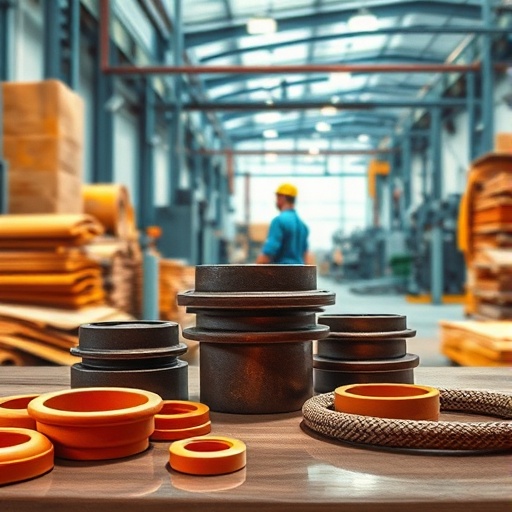
Sustainability and Eco-friendly Rubber Solutions
Mills now request rubber compounds derived from bio-based feedstocks and recycled content. These sustainable options must still meet the same compression and chemical-resistance standards as conventional materials. Suppliers respond with EPDM grades that incorporate renewable fillers without sacrificing durability. Plants that adopt these products lower their environmental footprint while maintaining vacuum reliability. Lifecycle assessments show reduced cradle-to-grave impacts when mills choose longer-lasting parts that generate less scrap. Rubber products for the pulp & paper industry are therefore shifting toward greener formulations that satisfy both performance and regulatory expectations.
The Role of Technology in Enhancing Rubber Products
Digital monitoring and predictive analytics help mills optimize rubber component replacement. Sensors track vacuum pressure fluctuations that signal impending gasket or stopper failure. Data models then recommend the optimal switch point before leaks affect production. This approach reduces emergency downtime and extends average part life. Manufacturers also use computer-aided design to create custom profiles that fit new machine geometries precisely. As automation spreads, rubber products for the pulp & paper industry will incorporate embedded identifiers that link each part to its material certificate and service history. These advances keep vacuum systems running efficiently while supporting continuous improvement goals.
See Also
- The Essential Guide to Choosing Rubber Products for Pulp and Paper Applications
- Exploring the Role of Natural Rubber in Sustainable Pulp Production
- The Future of Rubber in the Pulp and Paper Sector Sustainable Practices and Innovations
- Unveiling the Benefits of Custom Rubber Solutions for Pulp Industry Challenges