How to Seal Leaky Ductwork and Improve HVAC Efficiency
The Role of Insulation in Ductwork
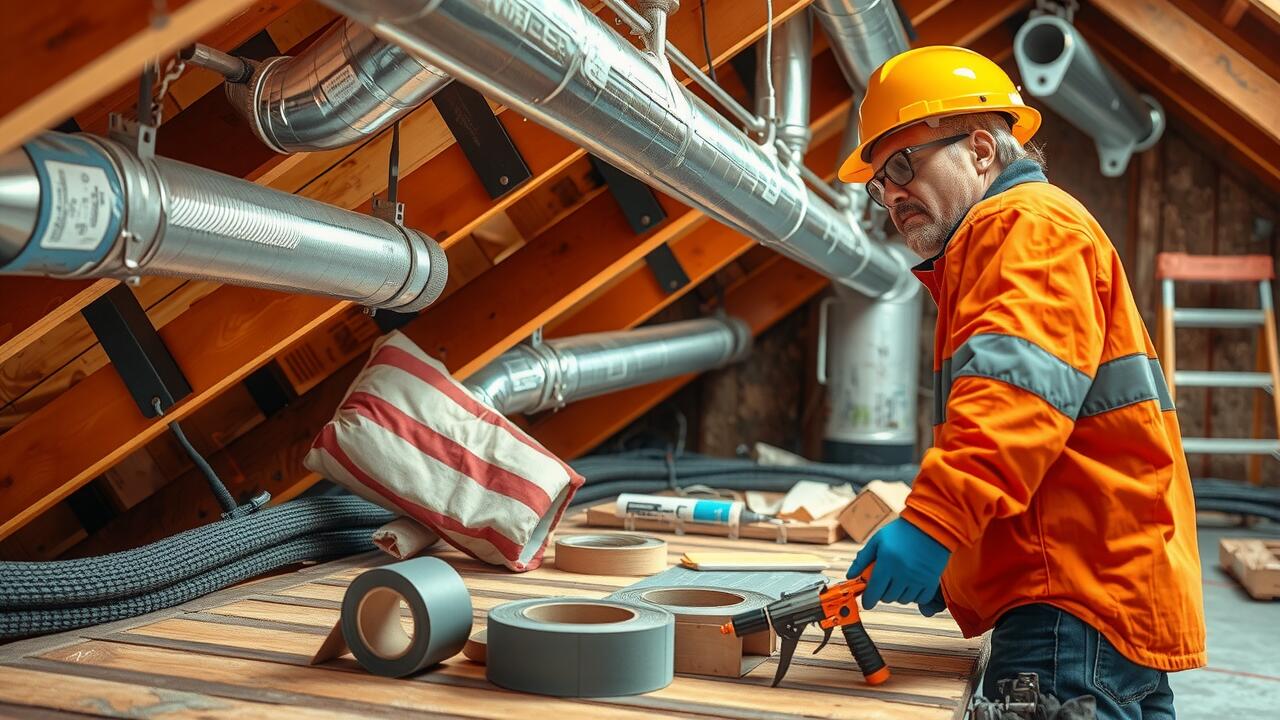
When it comes to oval ductwork, proper insulation plays a pivotal role in ensuring optimal HVAC system performance. Insulated ducts reduce energy loss significantly, maintaining the desired air temperature as it travels from the heating or cooling unit to various rooms in a property. Studies indicate that uninsulated ducts can contribute to energy losses of up to 30%, resulting in inflated utility bills. By wrapping oval ducts in high-quality insulation, homeowners can minimize energy waste and bolster system efficiency, making for a more comfortable indoor environment.
Effective insulation not only enhances energy conservation but also protects against condensation formation in ducts. In humid climates, unsealed or improperly insulated ducts can lead to moisture buildup. This condition may encourage mold growth and compromise indoor air quality. Following EPA guidelines, utilizing insulation materials with an R-value of 6 or higher ensures maximum thermal resistance. Regular inspection and maintenance of insulated oval ducts allow for early detection of any wear or damage, safeguarding the longevity of the HVAC system.
How Can Proper Insulation Improve HVAC System Efficiency?
Insulation plays a pivotal role in enhancing the efficiency of HVAC systems. When properly installed around oval ductwork, it minimizes the heat transfer that occurs during air transportation. For instance, if uninsulated oval ducts are exposed in unconditioned spaces, they can lose significant heat, leading to up to 30% energy loss. By contractor standards, using quality insulation not only reduces energy expenditure but also ensures that conditioned air reaches its destination without sacrificing temperature or comfort.
Implementing modern insulation techniques can dramatically impact system performance. Closed-cell foam insulation, for example, boasts an R-value of around 6 per inch, making it one of the most effective options for oval ducts. This enhanced resistance to heat flow allows HVAC systems to maintain consistent indoor climates while operating more efficiently. Proper insulation can also streamline airflow, decreasing the amount of energy required to maintain desired temperatures. Maintenance of these insulated systems, including regular inspections, is critical to uphold efficiency levels and prevent future leaks or issues.
Common Mistakes to Avoid When Sealing Ducts
When sealing ductwork, one common oversight is neglecting the specific needs of oval ducts. Many DIY enthusiasts may choose standard tape and sealants that are unsuitable for non-round shapes. Improper materials could lead to incomplete seals, resulting in air leaks that waste energy. For example, using traditional duct tape may fail in high-temperature areas, while specialized foil tape provides a better solution, ensuring a secure, lasting bond.
Another frequent mistake is sealing without thorough cleaning and preparation of the duct surfaces. Dust, dirt, and debris can hinder adhesive effectiveness, leading to compromised seals. A recent study showed that improperly sealed ductwork can contribute to up to 20% of energy loss in residential systems. Before applying sealants, it’s vital to clean thoroughly and inspect all connections, ensuring a tight fit. Taking the time to prep can dramatically enhance the longevity and efficiency of your HVAC system.
What Are the Pitfalls of DIY Duct Sealing?
Attempting DIY duct sealing can lead to several significant pitfalls, particularly when dealing with oval ducts. Many homeowners lack the specialized knowledge required for a thorough job. For instance, improper sealing techniques can create gaps or loosened joints, allowing conditioned air to escape. Building codes and standards suggest using specific materials like mastic sealant or UL 181 tape for the best results. Skipping these guidelines can diminish your HVAC system's efficiency and lead to increased energy costs.
Additionally, failing to conduct a proper assessment can result in overlooking critical areas prone to leaks. For example, the intersection points where oval ductwork connects to the primary air handler can become the primary sources of inefficiency if not properly addressed. Professionals often use duct blasters to measure the airtightness of the system, a tool unavailable for the average DIYer. Engaging experts in the initial stages not only guarantees a thorough inspection but also provides insights into proper insulation techniques and long-term maintenance strategies.
Maintaining Sealed Ductwork
Regular maintenance of sealed ductwork is essential for long-term efficiency and performance. HVAC professionals often recommend conducting routine inspections at least once a year to assess the integrity of the seals and identify any potential vulnerabilities. For instance, oval ductwork systems may require more frequent checks since their designed curvature can sometimes hide minor leaks that could become significant issues over time. Ensuring proper sealing in these systems can lead to measurable improvements in airflow consistency and comfort levels.
Keeping ducts clean is another crucial aspect of maintenance. Dust and debris accumulation can not only create pressure imbalances but can also lead to diminished air quality. Implementing a regular cleaning schedule, ideally every three to five years, can greatly enhance system performance. During these cleanings, inspecting the seals and joints within oval ducts allows for timely repairs, thus preventing small leaks from evolving into larger problems. Following best practices for maintenance not only extends the life of your HVAC system but also enhances overall energy efficiency, maximizing your investment.
How Can Regular Inspections Prevent Future Leaks?
Regular inspections play a crucial role in maintaining the integrity of your HVAC system. Flaws in oval ductwork can often go unnoticed, leading to significant inefficiencies and energy losses. For instance, studies show that unsealed or poorly insulated ducts can waste up to 30% of the energy used for heating and cooling. To combat this, conducting routine checks not only identifies issues early, such as loose connections or damaged seals, but also allows for timely repairs that can save homeowners substantial costs in the long run.
Furthermore, inspections during seasonal transitions can help ensure that ductwork, particularly oval ducts, is functioning optimally. Addressing air leaks or duct misalignments promptly can enhance airflow while preventing potential damage that accumulates over time. Industry best practices recommend performing comprehensive duct inspections annually, focusing on areas prone to wear, such as junctions and connections. By regularly evaluating your system, you can significantly extend the lifespan of your HVAC equipment and boost its overall efficiency.
Benefits of Improved HVAC Efficiency
Enhancing HVAC efficiency not only increases comfort levels but also significantly reduces energy consumption. For instance, homes with properly sealed and insulated oval ductwork can experience energy savings of up to 20%. These savings arise from minimizing air leakage, ensuring that conditioned air reaches the intended spaces without unnecessary losses. Homeowners who invest in sealing their duct systems are likely to notice a marked decrease in utility bills within a few months after implementation.
Improved HVAC performance also extends system lifespan. When air flows smoothly through well-maintained oval ducts, stress on components such as blowers and compressors diminishes. Consequently, this means fewer breakdowns and repairs, translating into lower maintenance costs for homeowners. Adopting industry standards in duct sealing and insulation can propel efficiency ratings upward, making it a wise decision for both comfort and budget-conscious clients. Techniques like using mastic sealants or specialized tape help ensure that every joint and seam meets industry benchmarks for efficiency and durability.
Why Does Enhancing HVAC Efficiency Save You Money?
Sealing leaky ductwork can lead to substantial savings on your monthly energy bills. For instance, studies show that energy loss through leaks in HVAC systems can account for up to 30% of wasted energy usage. When you enhance your ductwork with well-fitted oval ducts or robust insulation, you create a more efficient pathway for heated or cooled air, reducing the load on your heating and cooling systems. This streamlined airflow not only contributes to a more comfortable indoor climate but also allows your system to operate more efficiently, directly translating to lower utility costs.
Furthermore, investing in sealing strategies can pay off significantly over time. Homeowners have reported savings of 20% to 50% on energy costs after addressing duct leaks. Regular maintenance and use of industry best practices, such as proper sealing materials and insulation techniques, can prolong the lifespan of HVAC systems while optimizing performance. When every component works harmoniously, you minimize unnecessary strain on your system, ensuring that repairs and replacements are less frequent, which further contributes to financial savings.
FAQS
What are the first steps I should take to seal leaky ductwork?
Start by visually inspecting your ductwork for any obvious leaks or gaps. Use a flashlight to look for places where air might be escaping. Once you’ve identified potential leaks, clean the area around them, and apply duct sealant or foil tape to seal the gaps. It’s that simple!
How does insulation affect my HVAC system's performance?
Insulation plays a crucial role in maintaining the temperature of the air that travels through your ducts. Well-insulated ductwork minimizes heat loss or gain, which improves efficiency and helps your HVAC system work smarter, not harder!
What are some common mistakes people make when sealing ducts?
One of the biggest mistakes is using the wrong materials, like regular tape instead of proper duct tape. Other pitfalls include neglecting to seal all joints and connections or not conducting a thorough inspection before sealing. Avoid these errors, and you’ll be on your way to energy savings!
How often should I inspect my sealed ductwork?
Regular inspections are key! Aim for at least once a year, or every six months if you have an older system. This way, you can catch any potential leaks early and keep your HVAC running efficiently!
Can sealing my ducts really save me money on energy bills?
Absolutely! By sealing leaks and improving your HVAC efficiency, you could see a significant reduction in your energy bills. It's like giving your HVAC system a performance boost—saving you money while keeping your home comfortable!