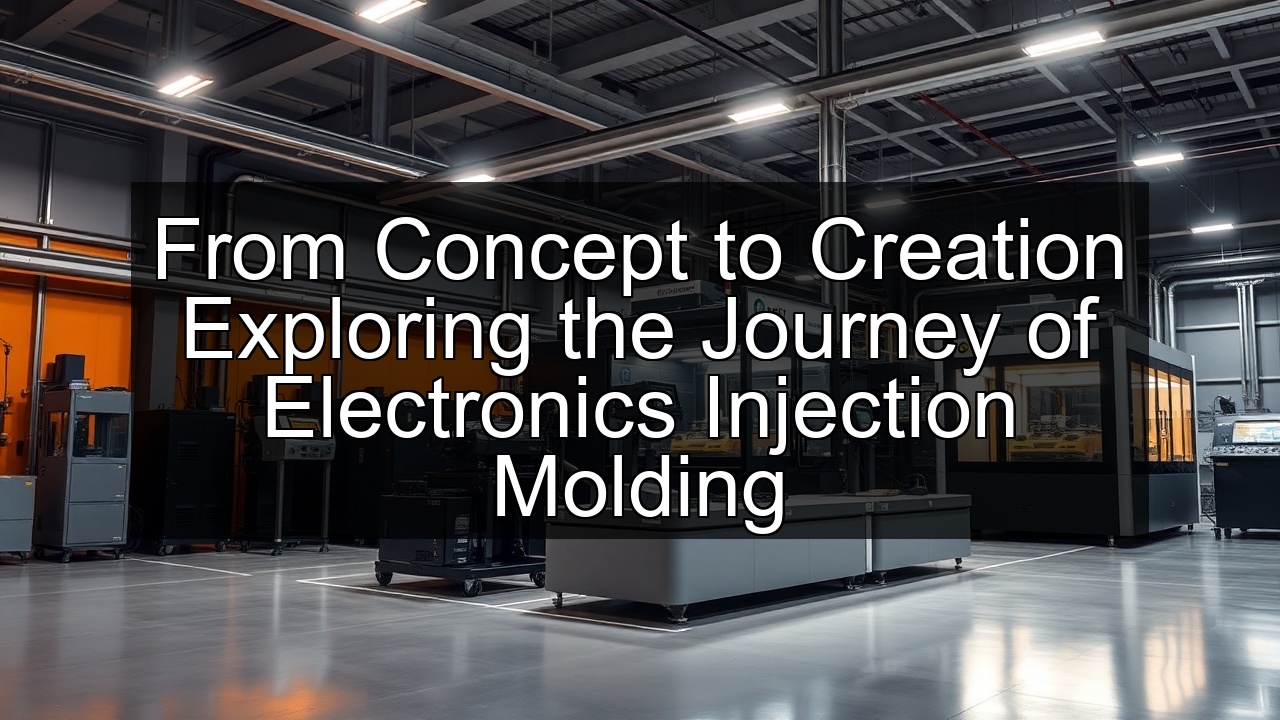
From Concept to Creation Exploring the Journey of Electronics Injection Molding
Understanding the Basics of Electronics Housing Injection Molding
What is Injection Molding?
Injection molding stands as a pivotal manufacturing process, particularly in the production of electronics housing. This method involves injecting molten material into a mold, where it cools and solidifies to form specific shapes. The process is highly efficient, allowing for the rapid production of high-quality components with intricate designs. For electronics, this translates into the creation of durable and precise housings that protect sensitive electronic devices. Injection molding not only enhances design flexibility but also improves production speed, making it a favored choice in the electronics industry.
The Role of Plastics in Electronics Housing
Plastics play a crucial role in electronics housing, providing numerous advantages that cater to the demands of modern electronic devices. Their lightweight nature reduces the overall weight of devices, while their insulating properties protect sensitive components from electrical interference. Additionally, plastics can withstand various environmental conditions, ensuring longevity and reliability. High-density polyethylene (HDPE) and nylon are two of the most commonly used plastics in this domain. HDPE, known for its strength and resistance to impact, serves well in applications requiring durability, while nylon offers superior flexibility and resistance to wear, making it suitable for various electronic casings.
Common Materials Used: HDPE and Nylon
High-density polyethylene (HDPE) and nylon dominate the landscape of materials used in electronics housing injection molding. HDPE boasts exceptional strength-to-density ratio, making it ideal for products that require sturdiness without excessive weight. Its resistance to moisture and chemicals further enhances its suitability for outdoor and industrial applications. Conversely, nylon is celebrated for its resilience and ability to absorb shock, vital for protecting delicate electronics. The choice between these materials often hinges on the specific requirements of the electronic devices being housed, with engineers considering factors like environmental exposure, mechanical stress, and cost-effectiveness.
The Journey from Concept to Creation
Initial Design Considerations
The journey of electronics housing injection molding begins with meticulous design considerations. Engineers and designers collaborate to conceptualize the housing, taking into account the unique specifications of the electronic device it will protect. Key factors include dimensions, weight distribution, and access points for buttons or ports. Early sketches and CAD models serve as the foundation for these discussions. Designers must also consider the aesthetics of the housing, ensuring it aligns with the overall look and feel of the device. Durability and manufacturability become critical at this stage, as an effective design can streamline the production process and reduce costs.
Prototyping and Testing
After finalizing the initial designs, the next phase involves prototyping and testing. Engineers create prototypes using 3D printing or CNC machining to evaluate the design's feasibility. This step allows for real-world testing, enabling the team to identify potential issues in the design before moving to mass production. Testing focuses on various aspects, such as mechanical strength, thermal performance, and compatibility with the internal components of electronic devices. Feedback from this phase is invaluable, as it helps refine the design, ensuring that the final injection molded product meets the required standards for performance and safety.
Finalizing the Injection Mold Design
The final stages of the design process involve creating the injection mold itself. This stage requires precision engineering to ensure that the mold can produce the desired housing accurately and efficiently. Designers must consider factors like cooling channels, gate locations, and ejection mechanisms that affect the quality of the molded parts. Collaborating with mold makers, engineers finalize the injection mold design, making adjustments based on testing outcomes. The finalized mold undergoes rigorous inspection to ensure it meets all specifications before production begins. This meticulous attention to detail in mold design directly impacts the quality of the electronics housing produced.
Manufacturing Process and Techniques
The Step-by-Step Injection Molding Process
The injection molding process unfolds in a series of well-defined steps, each crucial to achieving the desired electronics housing. It begins with the heating of plastic pellets until they transform into a molten state. The molten plastic then flows into the injection mold through a nozzle, filling the cavity designed for the housing. Once the mold is filled, cooling occurs, allowing the plastic to solidify into its final shape. After sufficient cooling, the mold opens, and the newly formed part is ejected. This efficient cycle can produce thousands of identical housings in a short timeframe, exemplifying the strength of injection molding in manufacturing.
Quality Control in Electronics Housing Production
Quality control is paramount in the production of electronics housing, ensuring that each component meets stringent standards before reaching the market. Manufacturers implement various inspection methods throughout the injection molding process, including visual inspections, dimensional checks, and functional tests. Automated systems often assist in detecting defects at early stages, reducing waste and rework costs. By adhering to industry standards and regulations, manufacturers can guarantee that their injection molded products perform reliably in electronic devices. Quality assurance measures not only protect the integrity of the products but also enhance electronics casing injection molding the brand's reputation in a competitive marketplace.
Innovations in Injection Molding for Electronics
Innovations continue to reshape the landscape of injection molding for electronics, enhancing capabilities and efficiency. Advanced technologies, such as multi-shot molding, allow for the creation of complex parts with different materials in a single molding cycle. This technique enables manufacturers to combine the strengths of various plastics, such as the durability of HDPE with the flexibility of nylon. Additionally, the integration of automation and smart technologies in the injection molding process streamlines production and minimizes human error. These innovations not only improve the quality of electronics housing but also pave the way for more sustainable manufacturing practices.
Applications and Future Trends
Electronics Housing in Modern Devices
Electronics housing finds applications across a wide array of modern devices, from smartphones and tablets to industrial machinery. The demand for sleek, lightweight, and durable housings drives continuous innovation in injection molding techniques. As technology advances, devices require housings that can accommodate new features while maintaining aesthetic appeal. The versatility of injection molded plastics allows manufacturers to experiment with design and functionality, resulting in products that cater to consumer preferences and industry needs. As the electronics market evolves, the role of effective housing becomes increasingly vital in ensuring device longevity and performance.
Sustainability in Injection Molding
As global concerns regarding environmental impacts grow, sustainability becomes a driving force in injection molding for electronics. Manufacturers are increasingly exploring biodegradable plastics and recycled materials in their processes. Innovations in material science enable the development of eco-friendly alternatives that do not compromise on performance. Additionally, optimizing production techniques reduces energy consumption and waste generation, aligning with broader sustainability goals. By prioritizing environmentally responsible practices, the electronics industry can contribute to a circular economy, where materials are reused and recycled, minimizing their ecological footprint.
Emerging Technologies in Electronics Housing
The future of electronics housing injection molding is poised for transformation through emerging technologies. Additive manufacturing techniques, such as 3D printing, complement traditional injection molding by allowing for rapid prototyping and customization. Smart materials, which can change properties in response to environmental stimuli, hold promise for creating adaptive housings that enhance user experience. Moreover, advancements in computer-aided design (CAD) and simulation tools improve the accuracy of mold designs and speed up the development process. These trends indicate that the electronics housing market will continue to innovate, embracing new technologies to meet the evolving demands of consumers and industries alike.