Elastomer Innovations Driving Aerospace Compression Molding
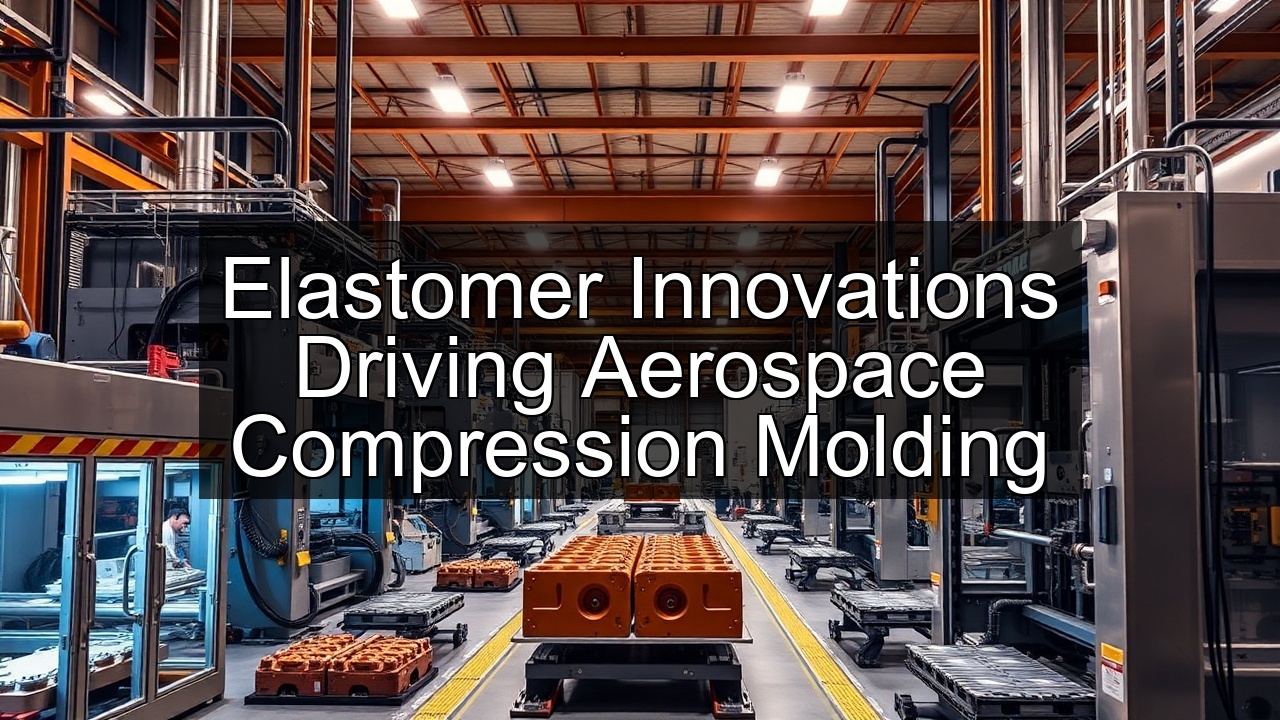
The Role of Elastomers in Aerospace Compression Molding
Understanding Elastomers and Their Properties
Elastomers play a pivotal role in aerospace compression aerospace composite molding manufacturer molding, providing flexibility and resilience essential for various applications. These polymers exhibit remarkable elasticity, allowing them to stretch and return to their original shape without aerospace composite molding manufacturer permanent deformation. The unique properties of elastomers make them ideal for creating components that must withstand extreme temperatures, pressures, and environmental conditions. Their ability to absorb vibrations also enhances the durability and performance of aerospace products, making them indispensable in the industry. Understanding the chemical composition and physical characteristics of elastomers helps manufacturers select the right materials for specific aerospace applications, ensuring optimal functionality and longevity.
Types of Elastomers Used in Aerospace
Aerospace manufacturers utilize several types of elastomers tailored for specific needs. Among the most common are silicone elastomers, particularly liquid silicone rubber (LSR), known for its high temperature resistance and excellent durability. Neoprene, a synthetic rubber, provides good oil resistance and is often used in gaskets and seals. Fluoroelastomers, recognized for their exceptional chemical resistance, play a crucial role in applications where exposure to fuels and oils is prevalent. Each type of elastomer offers distinct advantages, allowing aerospace compression molding manufacturers to engineer components that meet stringent industry standards and regulatory requirements.
Benefits of Using Elastomers in Aerospace Applications
The use of elastomers in aerospace applications provides significant benefits, enhancing the performance and reliability of components. Their flexibility allows for the creation of complex shapes and designs that are difficult to achieve with rigid materials. Elastomers also contribute to weight reduction, a critical factor in aerospace design, where every gram counts toward fuel efficiency. Additionally, their resistance to environmental factors such as UV radiation, moisture, and temperature fluctuations ensures the longevity of aerospace products. The ability to customize elastomers through additives and fillers further enhances their properties, making them suitable for high-performance applications across the aerospace industry.
Innovations in Compression Molding Technology
The Impact of Hydraulic Presses on Production Efficiency
Hydraulic presses have revolutionized the efficiency of aerospace compression molding. These machines utilize hydraulic force to apply pressure uniformly, ensuring consistent quality in molded parts. The precision of hydraulic presses allows manufacturers to produce complex geometries and intricate designs with minimal waste. By optimizing production cycles, these machines significantly reduce lead times, enabling faster turnaround for aerospace components. Incorporating advanced hydraulic technology into the molding process also enhances energy efficiency, aligning with the aerospace industry's commitment to sustainable practices. As manufacturers strive for increased productivity, the adoption of hydraulic presses continues to be a game-changer in the realm of aerospace compression molding.
Advancements in Liquid Silicone Rubber (LSR) Molding
Liquid silicone rubber (LSR) molding has gained prominence in the aerospace sector due to its superior properties and versatility. Recent advancements in LSR technology have streamlined the molding process, allowing for faster cycle times and enhanced production capabilities. LSR's inherent flexibility and thermal stability make it ideal for creating high-performance aerospace components, such as seals, gaskets, and insulators. The ability to produce intricate designs with high precision ensures that manufacturers can meet the stringent specifications required in aerospace applications. Furthermore, LSR's excellent resistance to extreme temperatures and harsh chemicals makes it a preferred choice for components exposed to challenging environments, solidifying its role in modern aerospace manufacturing.
Automation in Aerospace Compression Molding Processes
Automation has transformed aerospace compression molding processes, driving efficiency and precision in manufacturing. Automated systems enhance the consistency of production, reducing the likelihood of human error. Robotics and computer-controlled machinery enable manufacturers to produce complex parts with high accuracy, meeting the demanding tolerances required in the aerospace industry. Automation also streamlines workflows, significantly reducing labor costs and minimizing production time. As manufacturers adopt smart technologies and Industry 4.0 principles, the integration of automation into compression molding processes is set to redefine standard practices, paving the way for more innovative and efficient aerospace solutions.
Quality Control and Tolerances in Aerospace Manufacturing
Establishing Quality Control Standards for Aerospace Products
Quality control serves as the backbone of aerospace manufacturing, ensuring that every component meets stringent safety and performance standards. Establishing robust quality control protocols involves rigorous testing and inspection processes that verify the integrity and reliability of molded parts. Aerospace compression molding manufacturers must adhere to international standards such as AS9100, which outlines quality management systems specifically for the aerospace sector. Regular audits and assessments help identify potential issues early, allowing for corrective actions before products reach the market. By prioritizing quality control, manufacturers can maintain their reputation and ensure the safety of the end-user, whether in commercial aviation or defense applications.
Importance of Tolerances in Compression Molding
Tolerances play a critical role in aerospace compression molding, determining the allowable variation in dimensions of molded parts. Precision is paramount in aerospace applications, where even slight deviations can impact performance and safety. Manufacturers must establish clear tolerance levels based on the specific requirements of each component, ensuring that parts fit together seamlessly in complex assemblies. Advanced measurement tools and techniques, such as laser scanning and coordinate measuring machines (CMM), allow for accurate assessment of tolerances. A strong focus on maintaining tight tolerances not only enhances the quality of aerospace products but also fosters trust among consumers and stakeholders in the aerospace industry.
Case Study: Lockheed Martin's Quality Assurance Practices
Lockheed Martin exemplifies excellence in quality assurance within the aerospace manufacturing sector. The corporation implements comprehensive quality control measures throughout the product lifecycle, from design to production. Their commitment to quality is evident in their rigorous testing protocols, which include both destructive and non-destructive testing methods. Lockheed Martin employs advanced technologies, such as digital twin simulations, to predict potential failures and optimize designs before physical production begins. This proactive approach minimizes risks and ensures that components meet the exacting standards required for aerospace applications. By prioritizing quality assurance, Lockheed Martin reinforces its position as a leader in the aerospace industry, setting benchmarks for other manufacturers to follow.
The Future of Aerospace Molding: Trends and Challenges
Emerging Materials: Thermoplastics and Thermosets
The aerospace industry is witnessing a shift towards advanced materials, particularly thermoplastics and thermosets. These materials offer unique properties that enhance performance while reducing weight, a critical consideration in aerospace design. Thermoplastics, with their ease of processing and recyclability, present opportunities for sustainable manufacturing practices. On the other hand, thermosets, known for their strength and heat resistance, are increasingly used in high-performance applications. Manufacturers must stay abreast of these emerging materials to innovate and remain competitive. As the industry evolves, the integration of thermoplastics and thermosets into aerospace compression molding processes will play a significant role in shaping the future of aerospace components.
The Role of MCM Composites in Advanced Aerospace Applications
MCM composites (Multi-Component Molding composites) represent a significant advancement in aerospace manufacturing, offering enhanced performance and flexibility. These composites combine multiple materials, allowing for tailored properties that meet specific aerospace requirements. The ability to mold different materials simultaneously enables the creation of complex parts with superior strength-to-weight ratios. MCM composites facilitate innovative designs while streamlining production processes, making them ideal for aerospace applications. As manufacturers adopt MCM technology, they gain a competitive edge in the market, enabling the development of next-generation aerospace components that meet the demands of modern aviation.
Challenges Facing Aerospace Compression Molding Manufacturers
Aerospace compression molding manufacturers face several challenges as they navigate the evolving landscape of the industry. The increasing complexity of aerospace designs necessitates continuous innovation and investment in advanced technologies. Additionally, stringent regulatory requirements and quality standards can complicate production processes and increase costs. Supply chain disruptions also pose significant hurdles, impacting material availability and lead times. To overcome these challenges, manufacturers must adopt agile practices and invest in research and development. Collaboration across the aerospace supply chain will prove essential in driving innovation and ensuring that manufacturers remain competitive in an increasingly global marketplace.